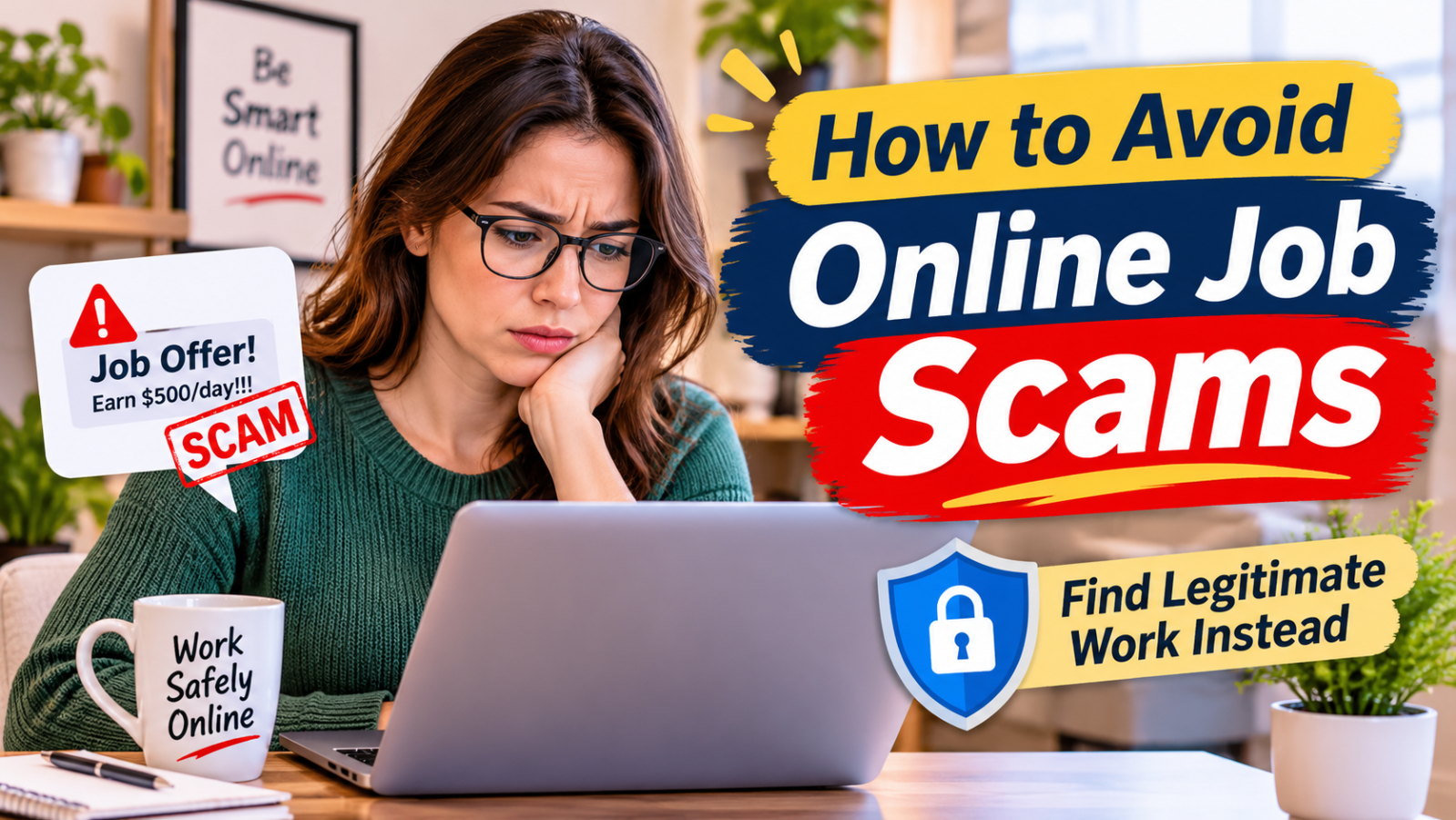
Finding a remote job should not require risking your savings or personal information. Yet fake recruiters, dishonest job listings, and suspicious work-from-home offers can make the search stressful. Some scams promise easy money for simple tasks. Others imitate real companies and send convincing messages. The good news is that you can spot many warning signs before accepting an offer. A few careful checks can help you avoid fake opportunities and focus on legitimate online work.
Our Copy Button makes useful advice easier to keep. When you find a warning sign or safety tip worth remembering, you can copy and share it with one click. The safest job offer is one you verify before you trust it.
The Biggest Warning Signs of an Online Job Scam
A fake job posting can look polished and professional. Scammers may copy a real company’s logo, use employee photos, and create convincing websites. Focus on the behavior behind the offer, not just how professional it looks.
1. They ask you to pay before starting
Legitimate employers do not charge applicants for the promise of a job. Be cautious if someone requests money for:
- Registration or application fees
- Mandatory training or job placement
- Starter kits or special software
- Background checks through an unfamiliar payment link
- Equipment you must purchase from a specific seller
Some legitimate jobs require tools or certifications. However, verify those requirements independently before spending money. A recruiter demanding payment to secure your position is a serious warning sign. Consumer Advice+1
2. They promise unusually high pay for simple tasks
Imagine receiving an offer for $800 a day to copy information into spreadsheets. The message says no experience is needed, and you can start immediately.
That combination deserves extra scrutiny. Compare the advertised pay with similar roles on established job boards. Ask for a detailed job description, expected hours, and payment terms.
High pay alone does not prove fraud. Vague duties combined with guaranteed income are much more concerning.
3. They contact you through random messages
Unexpected job offers on WhatsApp, Telegram, or text deserve caution. Some fake recruiters claim to represent familiar companies. They may ask you to reply with “YES” or “INTERESTED” before explaining the position.
The FTC has specifically warned about fake recruiter messages using this approach. Avoid engaging with unsolicited offers until you verify the company through its official website. Consumer Advice+1
4. They send a check and ask you to return money
This is a common fake-check scam. A supposed employer sends you a check for equipment or office expenses. They then ask you to deposit it and forward part of the money.
The bank may initially show the funds as available. That does not prove the check is genuine. When it eventually bounces, you may have to repay the bank while the scammer keeps the money you sent.
Never forward money, buy gift cards, or purchase equipment using a check from an unverified employer. Consumer Advice+1
5. The job involves paying to unlock tasks
Some scams advertise simple online work, such as rating products, liking content, or improving app rankings. The platform may show growing earnings to make the opportunity look real.
Then the recruiter asks you to deposit money or cryptocurrency to unlock another task or withdraw your balance. The displayed earnings may be fake.
Never deposit your own money to receive wages or unlock work. The FBI and FTC have warned about these task-based job scams. Internet Crime Complaint Center+2
6. They want you to receive and forward packages
A reshipping offer may use professional titles like delivery coordinator or quality control assistant. The work involves receiving packages, repacking them, and sending them elsewhere.
The products may have been purchased with stolen payment information. You could become involved in handling stolen goods without realizing it. The FTC warns that reshipping is not a legitimate work-from-home job. Consumer Advice+1
How to Verify an Online Job Before Applying
A few minutes of research can prevent weeks of trouble. Use these checks before sharing sensitive details or accepting an offer.
Step 1: Find the company’s official website
Search for the company independently. Do not rely on a link sent by the recruiter.
Check the website’s careers page and look for the same job title. Confirm that the location, responsibilities, and application details match.
If the company has no official website or verifiable business presence, slow down.
Step 2: Check the recruiter’s identity
Look for the recruiter on the company’s official website or professional profile. Check their job title and connection to the organization.
Pay attention to the email address. A message from a random Gmail account claiming to represent a large company needs extra verification.
Contact the company using the phone number or email listed on its official website. Ask if the recruiter and vacancy are genuine.
Step 3: Search the company name with warning terms
Use searches such as:
- Company name + scam
- Company name + complaints
- Recruiter name + fake job
- Job title + suspicious offer
Read several results instead of trusting one angry review. A lack of complaints does not guarantee safety, but repeated reports can reveal a pattern. Consumer Advice+1
Step 4: Request a proper interview and job description
A legitimate hiring process should explain what the role involves. Ask about daily duties, working hours, supervisor, pay structure, and employment terms.
Be careful if the recruiter avoids basic questions or offers you the position without meaningful discussion. An interview conducted only through informal messages is another reason to verify the employer. Federal Trade Commission
Step 5: Protect your personal information
You do not need to share every personal detail during an initial application.
Avoid sending sensitive information to an unverified recruiter, including:
- Social Security number
- Bank account or debit card details
- Copies of identity documents
- Passwords or verification codes
A verified employer may need tax and payment information after a formal hiring process. The key is to confirm who is collecting it and why before sharing anything.
Where to Find Legitimate Online Jobs
Start with established job-search resources, then verify each employer independently. A familiar platform does not guarantee that every listing is genuine.
| Platform | Useful for |
|---|---|
| LinkedIn Jobs | Remote professional and freelance-related roles |
| Indeed | Customer service, administrative, and remote jobs |
| USAJOBS | Official federal government vacancies |
| CareerOneStop | Job searches and career resources |
| Upwork | Freelance projects and digital services |
For federal government roles, use USAJOBS rather than websites charging application fees. The FTC confirms that applying for federal jobs is free. Consumer Advice+1
Important: Check location and work-authorization requirements. Many US remote jobs only accept applicants who live in the United States or have specific employment authorization.
A Quick Safety Checklist Before Accepting an Offer
Save this checklist and review it whenever a recruiter contacts you.
- I found the company’s official website independently.
- The vacancy appears on a trustworthy company careers page or verified listing.
- I confirmed the recruiter’s identity.
- I received clear duties, hours, and payment terms.
- Nobody asked me to pay for the job.
- Nobody asked me to deposit a check and send money back.
- I am not being asked to pay cryptocurrency to unlock tasks.
- I have not shared sensitive information with an unverified person.
- I understand the location and work-authorization requirements.
If several answers are uncertain, pause the application. A real opportunity should withstand basic questions.
What to Do If You Already Encountered a Job Scam
Act quickly if you sent money or shared private information. Save messages, emails, payment receipts, website addresses, and recruiter details.
Take these steps:
- Stop communicating: Do not send additional money or documents.
- Contact your bank or payment provider: Report the transaction and ask if it can be stopped or reversed.
- Protect your accounts: Change exposed passwords and enable two-factor authentication.
- Respond to identity theft: If you shared sensitive identity information, visit IdentityTheft.gov for recovery steps.
- Report the incident: Submit a complaint through FTC ReportFraud. For internet-related crime, you can also contact the FBI Internet Crime Complaint Center.
If cryptocurrency was involved, do not pay another person who promises to recover your lost funds. Recovery-fee offers can be another scam. Consumer Advice+2
Frequently Asked Questions
How can I tell if an online job is legitimate?
Verify the company, recruiter, job description, and payment terms independently. Never pay an upfront fee or send money back from a deposited check.
Do legitimate online jobs ask for registration fees?
Legitimate employers do not charge applicants for the promise of employment. Be cautious of registration, placement, or training fees demanded by an unknown recruiter.
Are work-from-home jobs on social media safe?
Some genuine employers advertise on social media, but scammers use these platforms too. Confirm the vacancy through the company’s official website before applying.
What should I do if a recruiter asks for my bank details?
Do not share them with an unverified recruiter. Confirm the employer and wait until you have a legitimate hiring and payroll process.
Can scammers use real company names and logos?
Yes. Scammers can copy company branding and impersonate employees. Contact the company through its official website to verify the offer.
Conclusion
Learning how to avoid online job scams starts with one simple habit: verify before you trust. Research the employer, confirm the recruiter’s identity, and read the payment terms carefully.
Never pay to unlock work, deposit suspicious checks, or forward money for an employer. These precautions can help protect your finances and personal information while you search for legitimate remote opportunities.
Use the Copy Button to copy, save, or share the safety checklist with someone searching for online work. A few minutes of checking can save you from a costly mistake.
Useful official resources: The FTC Job Scam Guide explains common employment fraud. The FBI Work-from-Home Scam Alert covers fake task jobs and cryptocurrency payments. These are worth reviewing before publishing.

Grant Sabatier is a content writer and personal finance specialist at Earnonic, creating practical content about side hustles, online earning, passive income, and smart money habits. His articles simplify complex financial topics into actionable advice, helping readers build sustainable income streams, grow their financial confidence, and make informed decisions through clear, research-backed guidance.








1 thought on “How to Avoid Online Job Scams”