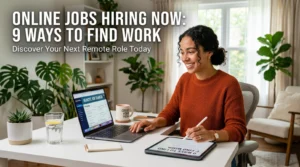
Remote jobs with no experience are opening new opportunities for people who want flexible work without spending years building a résumé first. Many companies now hire dependable beginners for entry-level remote positions because they value communication, reliability, and a willingness to learn. If you’re looking to increase your income, leave a stressful commute behind, or simply earn extra cash from home, this can be a practical first step. Landing your first remote job takes persistence, but one opportunity can completely change your earning potential.
Our website also features a convenient Copy Button that lets you instantly copy and share your favorite tip with one click. Save helpful advice for later or send it to someone searching for beginner-friendly remote work. Furthermore, keeping useful tips within reach makes it easier to stay motivated throughout your job search.
Remote Jobs With No Experience: What They Are
Remote jobs allow employees to complete work online instead of commuting to a traditional office.
Many employers offer entry-level positions that include training after hiring. Consequently, beginners can develop valuable skills while earning an income from home.
Popular beginner-friendly remote jobs include:
- Virtual assistant
- Customer service representative
- Data entry clerk
- Chat support agent
- Appointment scheduler
- Online researcher
- Sales support assistant
- Content moderator
- Email support representative
- Administrative assistant
Most of these positions focus on organization, communication, and consistency instead of advanced technical skills.
Why Remote Jobs With No Experience Are Growing in 2026
Businesses continue expanding remote teams because online collaboration has become a normal part of daily operations.
Similarly, many employers have discovered that motivated beginners can quickly become productive with proper onboarding and clear expectations.
Benefits include:
- Flexible work environment
- Lower commuting costs
- Better work-life balance
- Opportunities for career growth
- Access to employers nationwide
- Transferable professional skills
Furthermore, remote experience often opens doors to higher-paying positions as your confidence and abilities improve.
What You Need to Get Started
Starting a remote job does not require an expensive home office.
Essential Tools
Most beginners only need:
- Laptop or desktop computer
- Reliable high-speed internet
- Quiet workspace
- Webcam
- Headset with microphone
- Professional email address
- Basic office software
Many employers provide additional software after hiring.
Helpful Skills
These skills help beginners stand out:
- Clear communication
- Time management
- Organization
- Attention to detail
- Basic computer knowledge
- Professional attitude
These strengths improve naturally through everyday work experience.
Startup Budget
Most remote jobs require little upfront investment.
Avoid paying companies that promise guaranteed employment or ask for large application fees.
Choosing the Right Entry-Level Role
Start with positions that match your current strengths.
For example, customer support, scheduling, administrative assistance, or data entry can provide valuable experience before moving into higher-paying remote careers.
Step-by-Step Guide to Landing Remote Jobs With No Experience
Finding your first remote job takes consistency more than luck. A simple plan helps you build confidence and improve your chances with every application.
Step 1: Decide Which Remote Role Fits You
Focus on one or two entry-level positions instead of applying for everything.
Popular beginner-friendly choices include:
- Virtual assistant
- Customer support
- Live chat agent
- Data entry
- Email support
- Online research
- Scheduling assistant
- Administrative assistant
- Sales support
- Order processing
Specializing early helps you write stronger applications.
Step 2: Create a Professional Resume
You may not have remote work experience, but you probably have transferable skills.
Highlight customer service, communication, organization, teamwork, problem-solving, and computer knowledge. Volunteer work, school projects, and part-time jobs also demonstrate responsibility.
Step 3: Build a Professional Online Presence
Use a professional email address and keep your resume updated.
Furthermore, create a simple online profile that clearly explains your skills and availability.
Step 4: Apply Every Week
Consistency matters more than sending hundreds of rushed applications.
Customize each application for the specific role. Employers notice applicants who take a few extra minutes to explain why they are a good fit.
Step 5: Prepare for Interviews
Practice answering common interview questions.
Smile during video interviews, speak clearly, and keep your workspace tidy. One of my first remote interviews included an unexpected barking dog. Instead of panicking, I apologized, muted my microphone for a moment, and continued calmly. Staying composed often leaves a better impression than trying to appear perfect.
Step 6: Keep Learning
Every interview teaches something valuable.
Improve your resume, strengthen your communication skills, and continue applying until you receive the right opportunity.
Realistic Earning Range
Income depends on the company, job responsibilities, location, schedule, and experience.
Honest Income Expectations
| Experience Level | Estimated Monthly Income |
|---|---|
| Beginner | $1,000–$2,500 |
| 6–12 Months | $2,500–$4,000 |
| Experienced Remote Professional | $4,000–$6,000+ |
These estimates represent realistic ranges, not guaranteed results. Building experience and earning positive reviews often lead to better opportunities over time.
Common Beginner Mistakes and Why They Happen
Many beginners make similar mistakes during their first job search. Fortunately, each one is easy to avoid.
Applying Without Reading Job Descriptions
Sending generic applications lowers your chances.
Read each listing carefully before applying.
Ignoring Communication Skills
Remote employers value clear communication.
Respond professionally and proofread every message.
Expecting Instant Results
Finding the right position often takes several weeks.
Stay patient and keep improving your applications.
Falling for Job Scams
Avoid listings that promise huge income for little work.
Legitimate employers explain responsibilities clearly and never demand large upfront payments.
Giving Up After Rejection
Rejections happen to almost everyone.
Each interview improves your confidence and prepares you for the next opportunity.
Pro Tips and Shortcuts
Small improvements can make a noticeable difference during your job search.
Apply Early
Many employers review applications as they arrive.
Submitting yours quickly can improve visibility.
Track Every Application
Use a spreadsheet to record:
- Company name
- Position
- Application date
- Follow-up date
- Interview status
Staying organized prevents missed opportunities.
Learn One New Skill Each Month
Furthermore, improving typing speed, customer service, spreadsheet skills, or scheduling software makes your resume stronger.
Build Long-Term Relationships
Treat every employer professionally.
Similarly, positive references and referrals often lead to future remote opportunities that never appear on public job boards.
Frequently Asked Questions
Can I get remote jobs with no experience?
Yes. Many employers hire beginners for entry-level remote roles such as customer support, virtual assistance, data entry, chat support, and administrative work. Reliability, communication, and a willingness to learn often matter more than previous experience.
What remote jobs are easiest for beginners?
Customer service, data entry, virtual assistant positions, online research, appointment scheduling, email support, and administrative assistant roles are among the most beginner-friendly options. These jobs usually provide clear processes and practical training.
How much can beginners earn from remote jobs?
Income varies by employer, location, hours worked, and responsibilities. Many beginners start with part-time or entry-level pay and increase their earnings after gaining experience and positive performance reviews.
How can I improve my chances of getting hired?
Create a professional resume, customize every application, practice interview skills, and apply consistently. Strong communication, attention to detail, and dependable follow-through help you stand out from other applicants.
Conclusion
Remote jobs with no experience offer a practical path for beginners who want flexible work and steady income from home. You do not need a perfect résumé to get started. Instead, focus on building reliable skills, submitting thoughtful applications, and delivering excellent work once you land your first opportunity.
Success rarely happens overnight, but steady progress adds up. Every application teaches something new, every interview builds confidence, and every completed task strengthens your experience.
If this guide helped you, use our Copy Button to save or share your favorite tip with a friend or family member. Start today, stay consistent, and your first remote opportunity could be closer than you think.

Grant Sabatier is a content writer and personal finance specialist at Earnonic, creating practical content about side hustles, online earning, passive income, and smart money habits. His articles simplify complex financial topics into actionable advice, helping readers build sustainable income streams, grow their financial confidence, and make informed decisions through clear, research-backed guidance.